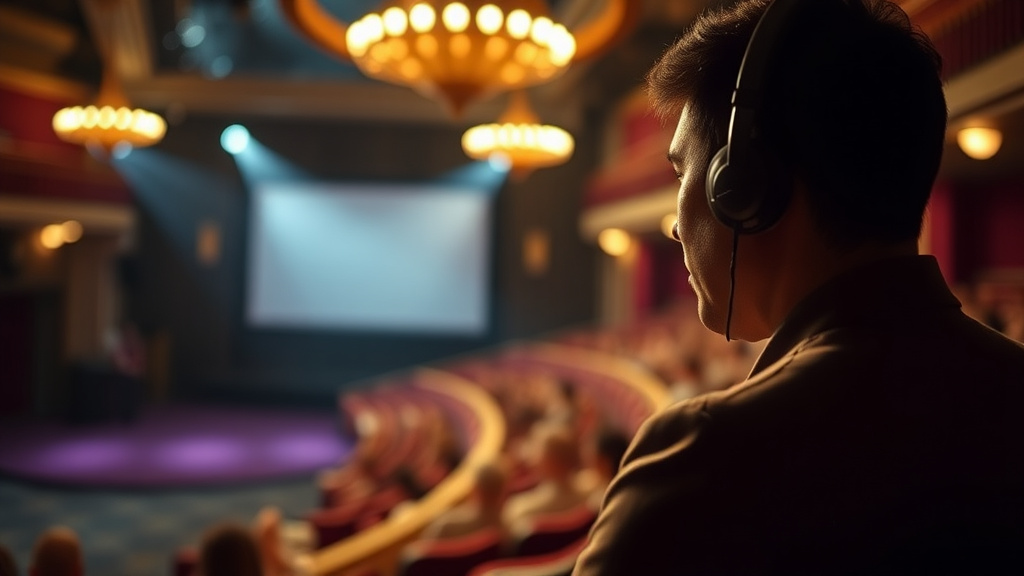

From Shakespeare to Sondheim, traditional stage works are witnessing a technological revival as companies worldwide recreate beloved performances for today’s theater-goers. Responding to shifting cultural demands and modern capabilities, theaters are actively reimagining classic texts through creative production design, varied actor representation, and digital distribution channels. This discussion investigates how leading theater companies are bridging centuries-old classics with modern sensibilities, ensuring these timeless stories remain relevant while extending their accessibility beyond conventional theater spaces into the digital realm.
Reimagining Classic Works for Modern Appeal
Theater companies are significantly reshaping how classic productions connect to modern audiences by weaving modern perspectives and social commentary into timeless narratives. Directors are reframing Shakespeare, Chekhov, and other literary masterpieces to tackle pressing concerns such as identity, human rights, and environmental concerns. By preserving the source material while changing context and underlying meaning, productions serve as reflections of today’s society, making audiences experience beloved tales through new lenses that feel immediately significant to their everyday realities.
This fresh take extends beyond basic stylistic revisions; it constitutes a fundamental change in how theaters tackle their creative purpose. Rather than maintaining classics unchanged, companies recognize that classic works thrives through fresh interpretation across different eras. Today’s theatrical works encourage viewers to reconsider preconceptions about masculinity and femininity, power relationships, and cultural practices present within canonical works. This dynamic approach revitalizes timeless pieces, proving that great works stay alive and engaging, challenging, and deeply significant when intelligently transformed for modern audiences and issues.
Setting and Costume Design Evolution
Contemporary theater creative directors are revolutionizing narrative presentation by relocating classic narratives into unexpected time and place settings. Rather than adhering to historically precise aesthetics, forward-thinking productions set Shakespearean tragedies in corporate boardrooms, dystopian futures, or modern city landscapes. These bold choices generate cognitive dissonance that prompts audiences to reassess familiar plots with renewed attention. The contrast between period language with modern environments generates compelling insights, allowing designers to emphasize enduring human struggles while also tackling modern concerns about technology, authority, and societal systems.
Costume design has grown into transformative practice, with designers weaving historical references, contemporary fashion, and symbolic elements to create visually striking ensembles. Rather than strict historical accuracy, modern productions employ costume as a narrative tool that expresses character, social status, and thematic concerns simultaneously. This approach lets audiences from diverse backgrounds to access productions more readily, as familiar contemporary clothing elements create immediate emotional connection while maintaining theatrical spectacle. Innovative costume choices also support more inclusive casting practices, allowing actors of different backgrounds to inhabit roles traditionally limited to specific racial or ethnic presentations.
- Futuristic settings reimagine Hamlet as corporate espionage thriller.
- Costumes that blend periods combine contemporary and historical fashion elements.
- Sparse staging highlight actor performance over elaborate scenery.
- Color symbolism communicates character transformation and emotional arcs.
- Eco-conscious costume practices lowers ecological footprint of productions.
Adopting Online Services and Video Streaming Technologies
The shift toward online channels has significantly altered how theatrical organizations deliver their performances to global audiences. Online platforms focused on theater content have appeared, offering recorded performances and real-time transmissions that reach viewers unable to attend physical performances. This expansion opens up opportunities to established works, breaking geographical and financial barriers that previously limited theater participation to specific regions with proximity to theaters.
Digital evolution extends beyond basic documentation, requiring theaters to reimagine production elements for digital presentation. Camera work, post-production editing, and sound design serve as essential elements of the artistic vision, delivering compelling moments that diverge from live performances. Companies commit resources to high-quality production standards, recognizing that digital presentations demand technical excellence comparable to film and television standards to engage modern audiences familiar with premium visual quality.
Production Technical Difficulties
Converting stage performances to online mediums presents considerable technical hurdles that theater companies must manage thoughtfully. Light configuration, spatial arrangement, and audience perspective differ dramatically between live theater and recorded mediums. Directors must reassess blocking, camera angles, and cinematic storytelling approaches to maintain artistic integrity while accommodating technical requirements inherent in digital production environments and streaming platform specifications.
Audio production creates another significant challenge, requiring advanced audio engineering and mixing to capture the subtle acting choices and musical arrangement vital for classic theater. Theater companies must allocate resources for high-quality sound systems and expertise to ensure clarity, depth, and emotional resonance that translates successfully through digital speakers. Balancing dialogue prominence with musical accompaniment demands careful technical attention throughout recording and post-production processes.
- Allocation toward premium camera equipment and videography skills
- Development of robust streaming infrastructure supporting worldwide viewer reach
- Creation of flexible streaming systems supporting various internet speeds
- Implementation of advanced lighting capture technology for atmospheric effects
- Setup of post-production facilities for professional editing and mastering
Visitor Interaction and Accessible Design Approaches
Theater companies recognize that modern audiences demand improved access and engagement opportunities. By implementing online channels, remote broadcasts, and interactive features, theaters eliminate geographic and economic barriers that historically restricted attendance. These innovations allow people with physical limitations, residents of distant areas, and budget-conscious patrons to experience traditional works. Furthermore, online services allow companies to reach younger audiences who might never otherwise experience classical theater, cultivating lasting interest for these timeless works.
Accessibility goes beyond physical attendance to include diverse content formats and educational resources. Theater companies now deliver captioning, audio descriptions, and ASL interpretation for performances, ensuring deaf and hard-of-hearing audiences completely appreciate productions. Study materials, pre-show discussions, and after-show analysis improve comprehension and participation. Digital outreach efforts and interactive content build audiences around productions, promoting conversation between performers and audiences. These varied initiatives demonstrate theaters’ dedication to accessibility while expanding viewership and satisfaction across different audience segments.
Interactive and Immersive Experiences
Modern theater companies leverage technology to produce immersive experiences that engage contemporary audiences. VR, augmented reality, and interactive digital elements convert passive viewing into active participation. Behind-the-scenes content, rehearsal recordings, and actor interviews offer intimate connections unavailable in traditional theater settings. These experiences deepen audience investment in productions while generating additional revenue streams. By combining classical narratives with advanced technology, theaters deliver memorable experiences that connect with digital-native audiences while preserving the emotional authenticity of classic works.
Interactive platforms empower audiences to impact productions in significant fashion. Some theaters offer voting opportunities for casting decisions or staging choices, building audience investment. Digital meet-and-greets with performers establish personal connections overcoming geographic boundaries. Gamification elements, such as incentive structures for engagement, encourage repeat viewing and social sharing. These strategies transform audiences from inactive spectators into creative partners, deepening affective ties to productions. Such advances prove especially powerful for Gen Z audiences seeking interactive entertainment options rather than standard passive experiences.
- VR staging brings viewers into classical theatrical worlds.
- Real-time digital interactions engage audiences in direct contact with cast members.
- Audience polls enable viewers to influence production choices together.
- Reward-based interaction incentives encourage repeat viewership and social sharing.
- Exclusive backstage content deepens appreciation for theatrical craftsmanship.
